Thread by Thread: How Hemp Fabric Is Quietly Rewriting the Rules of American Fashion
Photo: Halyma, CC BY-SA 2.0, via Wikimedia Commons
For decades, the American clothing industry operated on a simple, largely unchallenged assumption: cotton was king, and synthetics filled the gaps. That assumption is now under significant pressure — not from a disruptive technology born in a Silicon Valley lab, but from a plant with roots stretching back thousands of years. Hemp, long dismissed as a counterculture curiosity, is entering the mainstream apparel market with a level of scientific credibility and commercial momentum that is difficult to ignore.
What is driving this shift is not nostalgia or ideology. It is data.
The Performance Case Against Cotton and Synthetics
Conventional cotton is resource-intensive to a degree that is difficult to overstate. According to the World Wildlife Fund, producing a single kilogram of cotton requires approximately 10,000 liters of water. Synthetic fabrics — polyester, nylon, acrylic — carry their own liabilities: they are derived from petrochemicals, shed microplastics with every wash cycle, and are notoriously difficult to recycle at end of life.
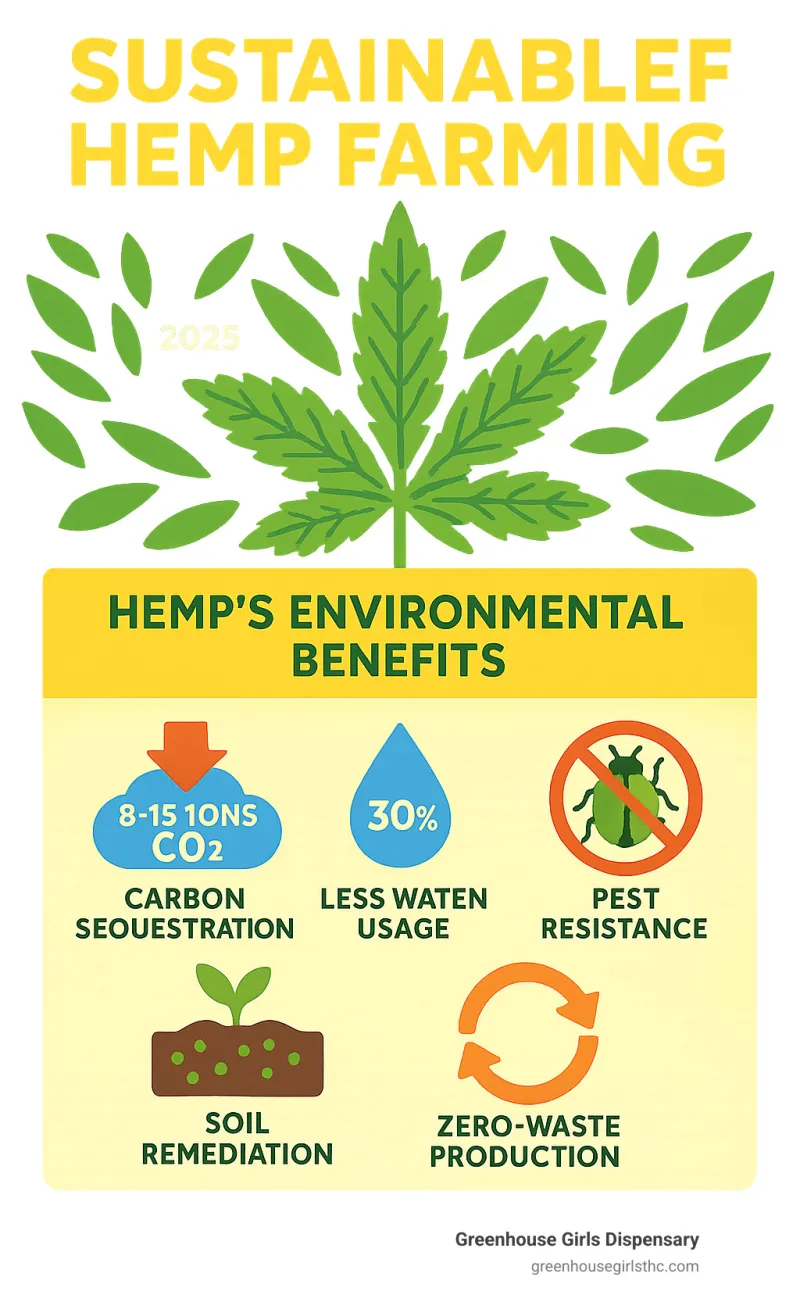
Hemp fiber presents a striking contrast on nearly every metric. The crop requires roughly half the water of cotton per unit of fiber produced, needs no synthetic pesticides to thrive, and actually returns nutrients to the soil rather than depleting them. But sustainability credentials alone rarely move major brands. What is genuinely accelerating adoption is the performance story.
Dr. Rachel Nguyen, a textile materials scientist at a research university in North Carolina, has spent the past several years analyzing hemp fabric under conditions that simulate real-world wear. "What consistently surprises people is the tensile strength," she noted in a recent interview. "Hemp fiber is structurally stronger than cotton at the same weight, which means garments hold their shape and integrity over a significantly longer period. For athletic and outdoor applications, that durability is not a minor benefit — it is a core performance advantage."
Breathability is another area where hemp distinguishes itself. The fiber's naturally porous structure allows for superior moisture-wicking and airflow, making it particularly well-suited for activewear and warm-weather clothing. Early consumer testing conducted by an independent apparel research firm in Portland, Oregon found that participants wearing hemp-blend athletic shirts reported measurably lower perceived exertion and discomfort during moderate aerobic activity compared to those wearing standard polyester alternatives. Temperature regulation — the fiber's capacity to keep wearers cooler in heat and warmer in cold — emerged as a recurring theme in post-trial feedback.
The Brands Paying Attention
The movement among established labels has been deliberate and, in many cases, strategically understated. Several mid-to-large American athletic and lifestyle brands have begun quietly integrating hemp blends into product lines without leading with it in their marketing — a calculated approach, according to sustainability officers who spoke on background, designed to let the product performance speak before the plant's identity becomes a focal point.
"There was a real concern, even two or three years ago, that leading with 'hemp' would alienate a portion of our core customer base," said one sustainability director at a mid-sized athletic apparel company based in the Pacific Northwest, who requested anonymity because the brand's hemp initiative has not yet been publicly announced. "What we have found is that when consumers try the product first, the conversation changes entirely. The associations shift from the plant to the experience."
In the luxury segment, that reframing is already well underway. A handful of premium American labels have begun positioning hemp linen blends as sophisticated, high-end alternatives to conventional linen and silk, emphasizing the fiber's natural luster, drape, and antimicrobial properties. The antimicrobial dimension — hemp's natural resistance to bacteria and odor — is proving particularly resonant with consumers who are increasingly attentive to what is touching their skin and how often they need to launder their clothing.
Overcoming the Perception Problem
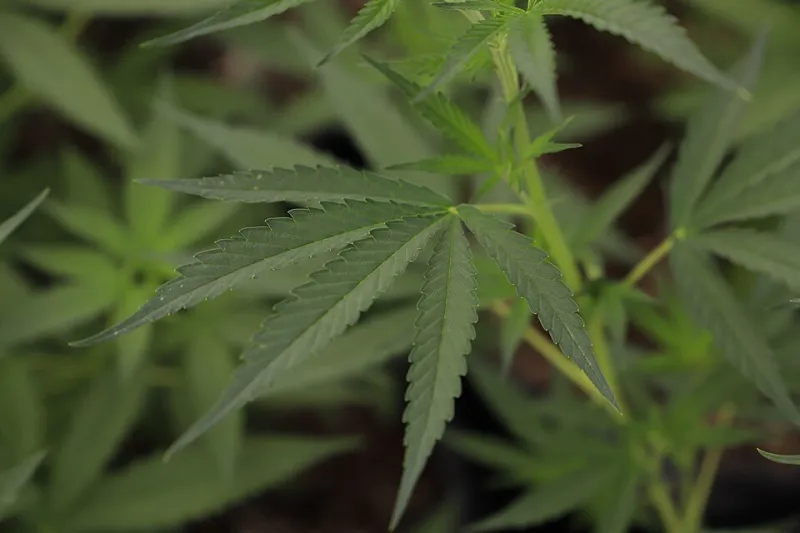
The association between hemp and cannabis has long been the industry's most persistent marketing obstacle. Though industrial hemp contains negligible concentrations of THC — the psychoactive compound found in marijuana — the visual similarity between the two plants embedded decades of skepticism in American consumer culture and, until the 2018 Farm Bill, in federal law.
Legalization has been the necessary precondition for the market's current evolution, but it has not been sufficient on its own. What is genuinely shifting perception is a combination of high-profile product placements, athlete endorsements, and a broader consumer movement toward what researchers call "material literacy" — a growing interest among buyers in understanding what their clothing is actually made from and where it originated.
Dr. Nguyen observed that younger consumers, in particular, are approaching fabric choices with the same scrutiny they apply to food ingredients. "There is a generation of shoppers who read labels," she said. "When they understand that hemp requires no herbicides, sequesters carbon during growth, and produces a fiber that genuinely outperforms alternatives, the old stigma simply does not have the same hold."
The Supply Chain Challenge — and the Opportunity
The primary structural barrier to scaling hemp textiles in the American market is not consumer demand. It is domestic processing infrastructure. The United States currently lacks the industrial retting and decortication capacity to process hemp fiber at the volumes major brands would require. Most hemp fabric used in US apparel today is processed in China or Eastern Europe before being imported, which introduces cost inefficiencies and partially offsets the crop's environmental advantages through transportation emissions.
This gap, however, represents a significant economic opportunity. Investment in domestic hemp processing facilities would not only strengthen the supply chain for American brands but would also create rural manufacturing jobs in regions where hemp cultivation is already expanding — a point that advocates have been pressing with growing urgency before state and federal economic development agencies.
The trajectory is clear. Hemp fabric is no longer a fringe proposition. It is a scientifically validated, commercially viable material that addresses some of the most pressing challenges facing the American apparel industry: resource consumption, microplastic pollution, product longevity, and consumer trust. The brands that recognize this early are not making a political statement. They are making a strategic one.