Welcome to Save Hemp: Where Science Takes Root and America's Greenest Industry Begins
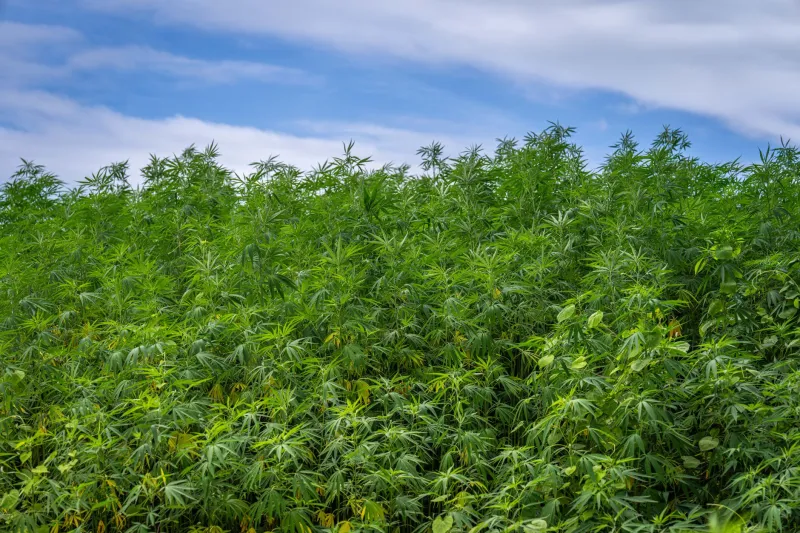
If you've found your way to this page, you're likely asking a simple question: what is Save Hemp, and what does it stand for? The answer begins with a plant that has spent nearly a century on the wrong side of American policy, and a growing body of evidence suggesting that this plant could become one of the most important tools in the fight for a sustainable future.
Save Hemp exists to close the gap between what science knows about hemp and what the American public actually hears. We are an advocacy and educational platform, but our advocacy has a foundation: peer-reviewed research, field data, and the lived experience of the farmers, scientists, and entrepreneurs rebuilding this industry from the ground up.
Rooted in Science, Growing a Greener Future
Our tagline is more than a slogan — it's an editorial commitment. Hemp has attracted no shortage of hype, and hype is precisely what the industry doesn't need. Claims that hemp will single-handedly replace plastics, reverse climate change, or revolutionize construction do more harm than good when they outrun the data.
So we do the harder work. We examine hemp's real carbon footprint. We look at what the water-use data actually says. We track the regulatory barriers, the broken supply chains, and the research funding gaps that keep promising discoveries trapped in academic journals. And we celebrate the genuine wins — from hempcrete pilot projects to pollinator-friendly rotations — because those wins are real, and they deserve a platform.
What We Cover
Our reporting falls into two core areas:
Regenerative Agriculture. Hemp is a remarkable agronomic candidate: a fast-growing annual that can suppress weeds, break pest cycles, and return organic matter to depleted soils. We cover the soil microbiology, the rotation science, and the economic realities facing American growers from Kentucky to Colorado to upstate New York.
Sustainability & Climate. From bioplastics and textile fibers to carbon-sequestering building materials, we examine how hemp products can displace petroleum-based alternatives — and where the technology still has room to grow.
Why This Matters Now
The 2018 Farm Bill legalized hemp cultivation federally, but legalization is not the same as liberation. Farmers still navigate a patchwork of testing standards, processing bottlenecks, and capital scarcity. Researchers still work with a fraction of the funding their international counterparts enjoy. Consumers still struggle to find hemp products on store shelves.
These are solvable problems. Solving them starts with an informed public — and that's where you come in.
Join the Conversation
Whether you're a farmer considering your first hemp crop, a researcher looking for your next question, a builder curious about hempcrete, or simply a citizen who wants an honest account of America's greenest agricultural frontier, Save Hemp is built for you. Explore our reporting, share what you learn, and help us grow a future that's rooted in science — and greener because of it.